

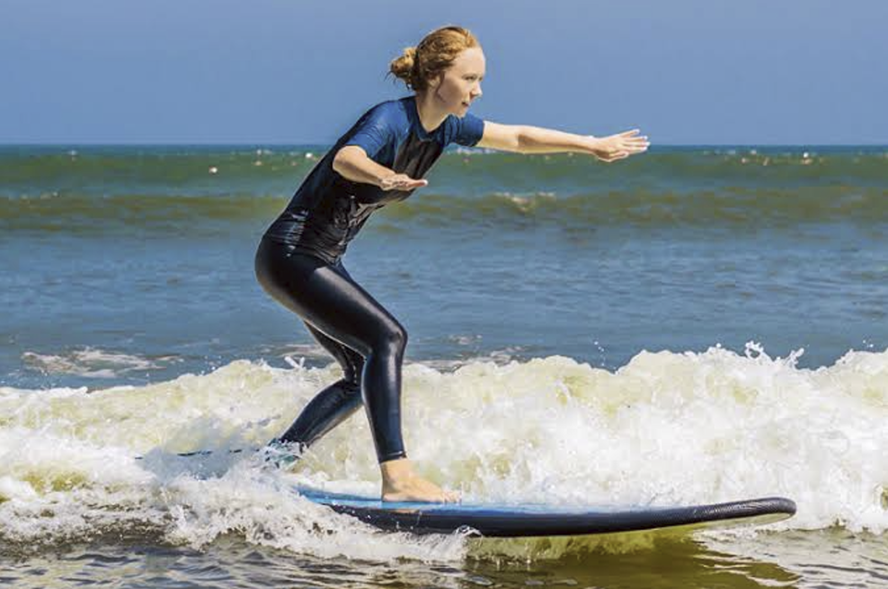
Few sports capture the imagination quite like surfing, blending athletic skill with genuine connection to the ocean’s constantly shifting energy across waves that never repeat themselves identically. Understanding the fundamentals, from basic equipment through the physical techniques required to actually stand and ride, transforms what initially appears impossibly difficult into a genuinely achievable skill for dedicated beginners. Fans wanting to follow competitive surfing coverage can check the latest updates at dbbet, where sports coverage stays current across a wide range of competitive disciplines.
Understanding Surfing as Both Sport and Lifestyle
Surfing represents far more than simple wave-riding, encompassing an entire cultural tradition built around ocean awareness, patience, and genuine physical mastery that develops gradually through sustained practice rather than quick, isolated skill acquisition.
The sport’s origins trace back centuries to Polynesian culture, where wave-riding held genuine spiritual and social significance long before modern surfing’s twentieth-century global popularization transformed it into today’s widely practiced recreational and competitive activity.
This cultural foundation still influences modern surfing considerably too, with respect for ocean conditions, fellow surfers, and the broader surfing community remaining genuinely important values that experienced practitioners consistently emphasize to newcomers entering the sport.
Essential Equipment Every Beginner Needs
Starting surfers should prioritize a longer, wider surfboard specifically designed for stability rather than performance, since these beginner-friendly boards provide considerably more forgiving balance while learning fundamental paddling and standing techniques.
Foam boards, often called soft-top boards, offer particular advantages for genuine beginners, since their forgiving material reduces injury risk during the inevitable falls that accompany early learning while still providing adequate buoyancy for developing basic wave-catching skills.
A properly fitted wetsuit becomes essential too, depending on water temperature, since maintaining comfortable body temperature allows beginners to focus genuine attention on technique development rather than being distracted by cold water discomfort during extended practice sessions.
Understanding How to Surf: The Fundamental Progression
Learning how to surf requires mastering several sequential skills before actually standing on a moving wave, starting with paddling technique, since efficient paddling provides the foundational speed necessary for successfully catching waves in the first place.
Proper paddling position involves lying centered on the board with your chest slightly elevated, using alternating arm strokes that pull water efficiently while maintaining board balance, a skill that itself requires considerable practice before feeling genuinely natural.
Once basic paddling feels comfortable, beginners typically practice the “pop-up,” the quick transitional movement from lying prone position into a standing surfing stance, ideally practiced repeatedly on dry sand before attempting this same movement while actually riding moving water.
Mastering the Pop-Up Technique
The pop-up movement requires genuine explosive power combined with precise body positioning, pushing up simultaneously with both hands while bringing your feet forward into a stable stance positioned roughly shoulder-width apart across the board’s centerline.
Timing proves genuinely crucial throughout this movement too, since attempting to stand too early or too late relative to the wave’s actual power typically results in losing balance, reinforcing why extensive dry-land practice considerably accelerates on-water learning progress.
Foot positioning during this transition significantly affects subsequent balance too, with most instructors recommending a stance angled roughly forty-five degrees relative to the board’s length, providing genuine stability for the subsequent weight-shifting required to actually steer while riding.
Reading Ocean Waves for Beginning Surfers
Understanding how to surf ocean waves effectively requires developing genuine wave-reading skills, recognizing how swells form, break, and offer different riding characteristics depending on ocean floor topology and current wind conditions.
Beginner surfers should specifically seek out gentle, consistently breaking waves in relatively shallow water, since these forgiving conditions provide considerably more manageable learning opportunities compared to powerful, unpredictable waves that even experienced surfers approach cautiously.
Learning to identify a wave’s peak, the point where it will begin breaking, helps beginners position themselves appropriately for successful catching, since paddling toward the correct takeoff spot relative to this breaking point significantly influences whether a given wave attempt succeeds.
Understanding Wave Types and Breaking Patterns
Beach breaks, where waves break over sandy ocean floors, generally offer more forgiving conditions for beginners compared to reef breaks or point breaks, since sandy bottoms considerably reduce injury risk during the inevitable falls beginners experience.
Wave direction matters considerably too, since waves can break either toward the left or right relative to a surfer facing the shore, meaning beginners should understand which direction a particular wave will break before attempting to ride it toward either side.
This directional understanding directly influences body positioning during the ride itself, since successfully surfing along a wave’s face, rather than simply riding straight toward shore, requires understanding and anticipating exactly how that particular wave will continue breaking.
Is Surfing Hard: Setting Realistic Beginner Expectations
Addressing whether is surfing hard honestly requires acknowledging genuine difficulty, since successfully standing and riding a wave typically requires considerably more practice sessions than many complete beginners initially anticipate before attempting the sport.
Most instructors suggest beginners can expect their first successful, sustained standing ride to require anywhere from several practice sessions to multiple weeks of consistent effort, depending on natural athletic ability, wave conditions, and genuine practice frequency.
This learning curve shouldn’t discourage genuine beginners though, since the sport’s difficulty represents part of its appeal for many dedicated practitioners, with the eventual satisfaction of successfully riding waves feeling genuinely earned through sustained practice and persistence.
Physical Fitness Requirements for New Surfers
Surfing demands genuine physical conditioning across multiple fitness dimensions, including upper body strength for sustained paddling, core stability for balance while standing, and cardiovascular endurance for managing extended sessions in often physically demanding ocean conditions.
Beginners without extensive swimming or paddling background often find the physical demands genuinely surprising too, since even reaching appropriate wave-catching positions requires considerable sustained arm strength that develops gradually through continued practice sessions over time.
Cross-training activities like swimming, yoga, and general core-strengthening exercises can genuinely accelerate surfing progress too, building foundational fitness that allows beginners to focus more attention on technique refinement rather than pure physical exhaustion during practice sessions.
Safety Considerations Every Beginner Should Understand
Ocean safety represents a genuinely crucial consideration for beginning surfers, including understanding rip currents, which can quickly pull swimmers and surfers away from shore, requiring specific technique to escape safely rather than fighting directly against the current.
Beginners should always surf at beaches with lifeguard supervision when possible, particularly during initial learning stages, since having trained safety personnel available provides genuine additional protection while developing fundamental ocean awareness and surfing competency.
Surfing etiquette also carries genuine safety implications too, since understanding right-of-way rules, particularly regarding which surfer has priority on a given wave, helps prevent dangerous collisions between multiple surfers attempting to catch the same breaking wave simultaneously.
Common Mistakes Beginning Surfers Should Avoid
New surfers frequently attempt standing too quickly during their pop-up, before actually catching sufficient wave momentum, a timing mistake that typically results in immediately falling rather than successfully establishing a stable riding position.
Looking down at your feet rather than toward your intended riding direction represents another extremely common beginner mistake, since proper surfing technique requires maintaining forward vision that helps guide both balance and directional steering while actually riding.
Paddling with improper technique, including overly shallow or inefficient arm strokes, significantly limits a beginner’s ability to actually catch waves in the first place, making this fundamental skill genuinely worth dedicated practice attention before focusing heavily on standing technique.
The Value of Professional Instruction
Taking lessons from qualified surf instructors typically accelerates beginner progress considerably compared to purely self-directed learning, since experienced instructors can identify and correct subtle technique errors that beginners often cannot recognize independently.
Group lesson formats provide genuine value too, offering both structured instruction and the social encouragement of learning alongside other beginners facing similar challenges, though private instruction offers more individualized feedback for students prioritizing faster skill development.
Many surf schools specifically design their beginner programs around gentle, forgiving wave conditions and appropriately sized equipment, creating genuinely optimized learning environments compared to attempting self-taught progress at potentially unsuitable beach locations.
Choosing the Right Beach and Conditions for Learning
Selecting appropriate learning locations significantly influences beginner progress too, since consistently gentle, small waves breaking over sandy bottoms provide considerably more forgiving practice conditions compared to more challenging or unpredictable surf spots.
Many coastal regions feature specifically recognized beginner-friendly beaches, often the same locations where local surf schools conduct their lesson programs, reflecting genuine community knowledge regarding which specific conditions best support developing surfers’ initial learning progress.
Timing matters considerably too, since wave conditions vary throughout the day based on tides and wind patterns, with many experienced surfers recommending beginners specifically seek out calmer morning conditions before afternoon winds potentially create more challenging, choppy surface conditions.
Building Long-Term Surfing Skills and Ocean Knowledge
Sustained surfing improvement ultimately requires developing genuine holistic ocean knowledge extending well beyond pure riding technique, including understanding tide patterns, seasonal wave conditions, and how weather systems influence surf quality at specific locations.
This broader ocean literacy develops gradually through accumulated experience too, since consistent exposure to varying conditions gradually builds the intuitive wave-reading and safety awareness that distinguishes genuinely experienced surfers from those still developing foundational competency.
Whatever specific timeline individual beginners require for achieving genuine surfing proficiency, understanding these fundamental principles, from equipment selection through wave-reading and safety awareness, provides a genuinely solid foundation for anyone pursuing this challenging but ultimately rewarding sport.
