

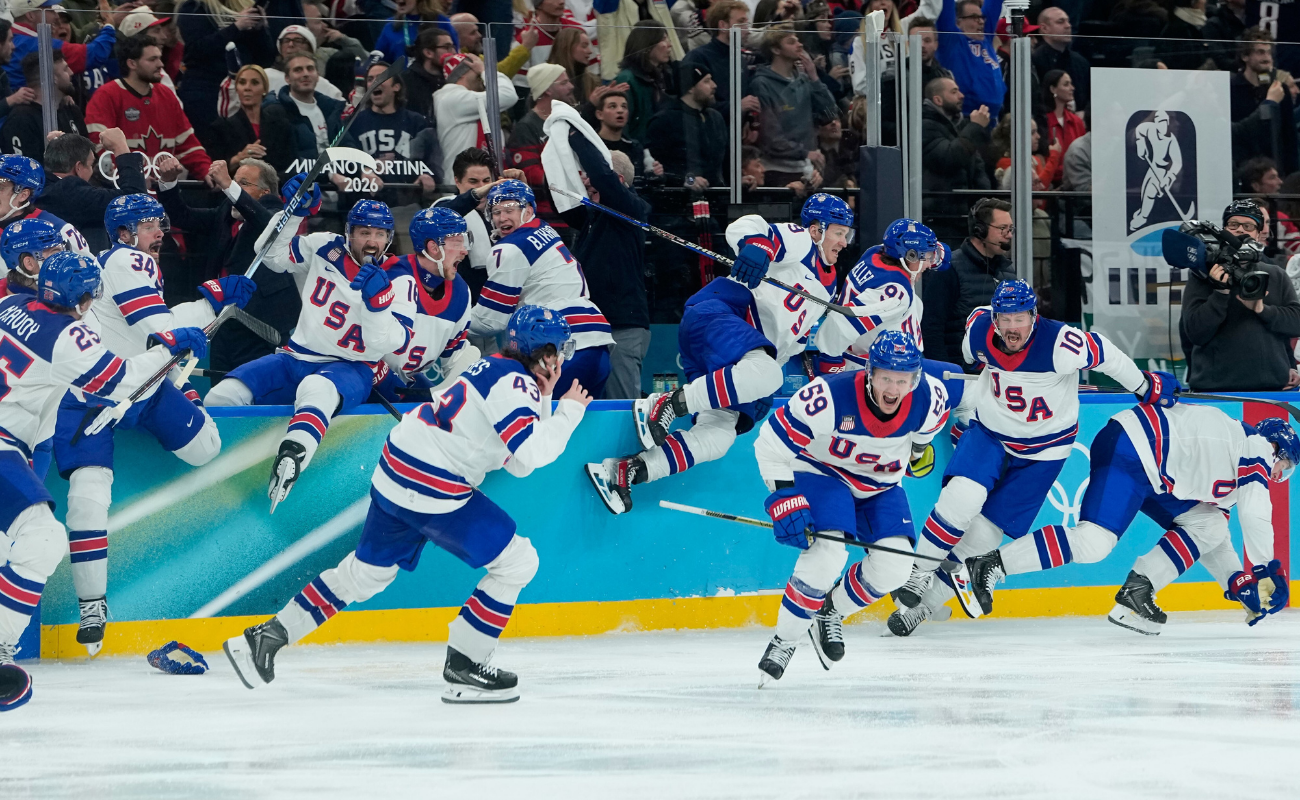
Few sports create the sustained tension hockey delivers during overtime situations, where sudden-death scoring rules mean any single shot can instantly end a game regardless of how the preceding sixty minutes unfolded. Understanding the sport’s fundamental structure, from basic period timing through the genuinely different overtime formats used across regular season and playoff competition, transforms confusing broadcasts into genuinely engaging viewing. Fans wanting to follow match coverage and results can check the latest updates at Dbbet, where hockey action stays current throughout the competitive season.
Understanding Basic Hockey Rules and Game Structure
Hockey rules establish a fundamental game structure built around dividing regulation play into distinct periods, with teams competing to score more goals than their opponent across this structured timeframe before any potential overtime becomes necessary.
Beyond basic scoring, hockey incorporates numerous specific regulations governing player conduct, legal body contact, and gameplay restrictions like offsides and icing, all collectively designed to balance the sport’s inherently physical nature against genuine competitive fairness and player safety.
These foundational rules remain broadly consistent across most major hockey leagues worldwide, though specific enforcement standards and overtime procedures can vary meaningfully between different competitive levels, from youth leagues through professional and Olympic international competition.
How Many Periods in Hockey: Understanding Regulation Structure
Addressing how many periods in hockey reveals a straightforward three-period structure used consistently across essentially every major hockey league, with each period lasting twenty minutes of actual playing time during standard regulation competition.
Teams switch which end of the ice they defend between each period, ensuring fair ice conditions throughout the entire contest rather than allowing one team consistent advantage from potentially superior ice quality on a specific end of the rink.
Brief intermissions separate each period too, providing players genuine recovery time while also allowing rink maintenance crews to resurface the ice, ensuring consistent playing conditions throughout the complete three-period regulation contest.
How Long Is a Hockey Game: Breaking Down Total Duration
Understanding how long is a hockey game requires distinguishing between actual playing time and total broadcast duration, since regulation hockey totals sixty minutes of gameplay across three twenty-minute periods before accounting for various stoppages.
Real-world game length typically extends considerably beyond this sixty-minute regulation total, since stoppages for penalties, television timeouts, and intermissions between periods routinely stretch complete broadcasts toward approximately two and a half hours from initial puck drop through the final horn.
This duration can extend even further too, particularly during playoff competition where overtime periods lack any predetermined time limit, meaning genuinely close, evenly matched contests can occasionally stretch considerably longer than typical regulation-length games.
Regular Season Overtime: Understanding the 3-on-3 Format
Hockey overtime rules during NHL regular season competition specifically utilize a five-minute sudden-death period, played at three-on-three rather than hockey’s standard five-on-five format, creating considerably more open ice and scoring opportunities.
This reduced-player format directly addresses previous overtime effectiveness concerns, since the NHL discovered that more players on the ice during overtime frequently produced scoreless periods requiring shootouts rather than genuine sudden-death goals settling games outright.
The very first team to score during this five-minute period immediately wins the contest, with the losing team still earning one standings point for reaching overtime, a meaningful distinction from regulation losses that earn no points whatsoever within the league standings system.
Understanding the Shootout: When Overtime Doesn’t Produce a Winner
If regular season overtime concludes without either team scoring, games proceed to a shootout, where each team selects three individual shooters attempting one-on-one scoring opportunities directly against the opposing goaltender across alternating rounds.
Should the shootout remain tied after these initial three rounds per team, competition continues into sudden-death shootout rounds, with players alternating attempts until one team successfully scores while their opponent fails to match that particular round’s outcome.
This shootout format, introduced following the NHL’s 2004-05 lockout season, definitively eliminated tied game outcomes from regular season competition entirely, ensuring every single game produces a clear winner and loser by the contest’s ultimate conclusion.
Playoff Overtime: A Completely Different Competitive Format
Unlike the regular season’s condensed 3-on-3 format, NHL playoff overtime abandons both the reduced player count and shootout resolution entirely, instead reverting to full five-on-five hockey played across complete twenty-minute sudden-death periods.
This playoff-specific format means postseason overtime games can theoretically continue indefinitely, with teams playing additional complete twenty-minute periods, separated by full fifteen-minute intermissions, until one team finally scores the decisive goal.
This structural difference reflects genuine competitive philosophy too, since playoff hockey’s win-or-go-home stakes make shootout resolution feel inappropriately arbitrary compared to regular season standings points, instead demanding teams settle contests through legitimate full-strength competitive hockey.
Historic Marathon Overtime Games in NHL History
Playoff hockey’s unlimited overtime format has occasionally produced genuinely historic marathon contests, with the longest recorded NHL overtime game extending across six complete overtime periods before a winning goal finally ended the exceptionally lengthy contest.
These marathon games test player conditioning to genuinely extreme limits, since athletes must sustain competitive intensity across potentially multiple additional twenty-minute periods beyond standard regulation, a physical demand few other sports’ overtime formats require from competing athletes.
Recent playoff seasons have continued producing genuinely memorable overtime moments too, with multiple double-overtime contests occurring during recent postseason competition, demonstrating this dramatic sudden-death format’s continued capacity for producing genuinely unpredictable, thrilling conclusions.
International and Olympic Overtime Format Differences
Olympic hockey competition maintains its own distinct overtime approach too, notably utilizing three-on-three overtime even during medal-deciding games including the gold medal contest itself, differing meaningfully from NHL playoff hockey’s full-strength approach.
This international format distinction reflects different competitive philosophies between league and international hockey organizations, since Olympic competition prioritizes the more wide-open, scoring-friendly reduced-player format even during the tournament’s most consequential, higher-stakes contests.
Understanding these format variations between different competitive contexts helps explain why overtime hockey can look genuinely different depending on whether fans are watching NHL regular season, NHL playoff, or Olympic international competition throughout any given hockey season.
Penalties and Their Impact During Overtime Situations
Penalty calls during overtime periods create meaningful power play opportunities regardless of format, though the specific player configuration adjusts based on whether teams are competing under three-on-three regular season rules or full-strength playoff overtime.
During regular season 3-on-3 overtime specifically, a penalty typically creates a four-on-three power play situation, providing genuinely significant scoring advantage given the already reduced overall player count compared to standard even-strength hockey situations.
Playoff overtime penalties function more similarly to standard regulation power plays, creating conventional five-on-four situations that, while still advantageous, don’t carry quite the same dramatically increased scoring probability that reduced-player regular season overtime penalties typically produce.
Why Understanding These Rules Enhances the Viewing Experience
Genuinely understanding hockey’s period structure and the meaningfully different overtime formats used across regular season and playoff competition considerably enhances viewing experience, particularly during hockey’s most dramatic sudden-death situations.
This knowledge becomes particularly valuable during playoff competition specifically, since understanding that postseason overtime lacks any predetermined time limit helps fans appreciate the genuine physical and psychological demands players face during potentially extended marathon overtime contests.
Whatever specific format captures a new fan’s interest, understanding hockey’s complete rules structure, from basic period timing through overtime’s dramatically different regular season and playoff approaches, provides genuinely valuable foundation for appreciating this fast-paced sport’s competitive intensity.
