

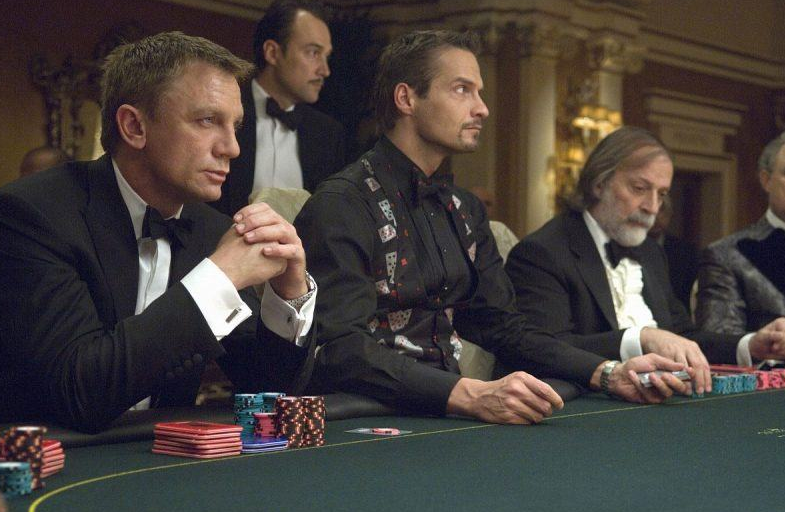
A great casino scene does something simple and rare: it makes the audience hold their breath over a few tiny choices. One card turned. One chip pushed forward. One look that changes the whole table’s mood. Movies love casinos because the rules are easy to follow, but the emotions spike fast. Games love casinos because the tension is already interactive by nature. That’s why “casino moments” keep showing up across genres, from slick thrillers to big-budget RPGs. The stories may be exaggerated, but the core feeling is real-time suspense that pulls viewers and players into the same heartbeat.
Why Casino Scenes Still Hit Hard In The Streaming Era
Modern entertainment is overflowing with options, yet casino scenes still feel fresh because they deliver instant structure. There’s a clear objective, a visible risk, and a ticking sense that something can flip at any second. That’s also why real-time formats keep winning attention. People like stories that feel “live,” even when they’re scripted.
In fact, viewers who enjoy that on-the-edge energy often bounce between live streams, challenge videos, and adult real-time formats such as here when they want the room to feel active instead of silent. The best experiences still rely on boundaries. Short sessions, planned pauses, and a clear stop point keep the thrill enjoyable rather than draining. When the pacing stays intentional, casino-style tension becomes entertainment again, not a blur of hours.
Movie Moments That Turned Casino Play Into Myth
Cinema didn’t just film casinos. It turned them into a stage where personality is revealed under pressure. The most famous scenes rarely depend on the actual math. They hinge on control, timing, and the audience’s ability to read faces like clues.
One classic scene type is the “calm operator” moment, where a character wins not by chaos, but by patience. The camera lingers on tiny movements: a steady hand, a measured breath, a chip placed like punctuation. Another staple is the “hot streak spiral,” where wins come too easily, and the room starts feeling unreal. The tension shifts from “will they win” to “how long until this breaks.”
Then there’s the “high-roller reveal” scene, where status is the twist. The stakes aren’t only money. Their reputation, influence, and who gets respected at the table. Finally, many movies love the “security shift” moment, when the casino stops being glamorous and becomes procedural. A smile disappears. A guard steps closer. Suddenly, the room feels smaller. These scenes stick because they compress a full character arc into a single round.
How Games Rebuilt Those Scenes With Interactivity
Games took what movies do well – anticipation, bluff energy, the feeling of a turning point – and rebuilt it into systems. Instead of watching someone place a risky bet, players make the call themselves, and the outcome becomes personal.
Interactive casino moments also work because they teach a rhythm. Some games reward restraint more than boldness. Others tempt players into overconfidence through streak mechanics, flashy feedback, and escalating multipliers. Even when a game isn’t about gambling, it often borrows casino language: “double or nothing,” “all-in,” “one more run.”
Here are the casino-scene mechanics games borrowed most often:
- Risk–reward choices under time pressure
- “Tell” reading through animations and audio cues
- Limited resources and escalating bets
- Win streaks vs. comeback traps
- Crowd noise and UI “pressure”
- Consequences that carry across rounds
When these mechanics are done well, they recreate the same emotional punch as a movie scene, but with one upgrade: the tension belongs to the player, not the protagonist.
What Real Casinos Get Right That Movies Often Skip
Movies exaggerate casinos as nonstop fireworks. Real play is usually quieter, slower, and more repetitive. That’s not a downside. It’s what makes the tension sustainable. The rhythm of real tables is built on small routines: waiting for the next round, watching how others behave, and learning the flow of a dealer’s pace.
Another difference is etiquette. Real tables run on unspoken rules – how to act, when to speak, and how to handle a win without provoking the room. Films often skip that to keep scenes punchy. They also underplay “invisible guardrails” that many adults rely on in real life: leaving at a set time, sticking to a fixed amount, and treating the experience as a bounded form of entertainment. In reality, discipline creates the freedom to enjoy the moment without turning it into a spiral.
Keeping The Thrill Fun, Not Heavy
Casino scenes are popular because they deliver pressure in a clean, watchable package. Games add interactivity. Real life adds responsibility. The sweet spot is taking the vibe without copying the chaos. Short sessions, clear limits, and real breaks keep any real-time entertainment feeling sharp instead of sticky. When the night ends with the sense of “that was fun” rather than “where did the time go,” the casino feeling has done its job: it entertained, then let go.
