

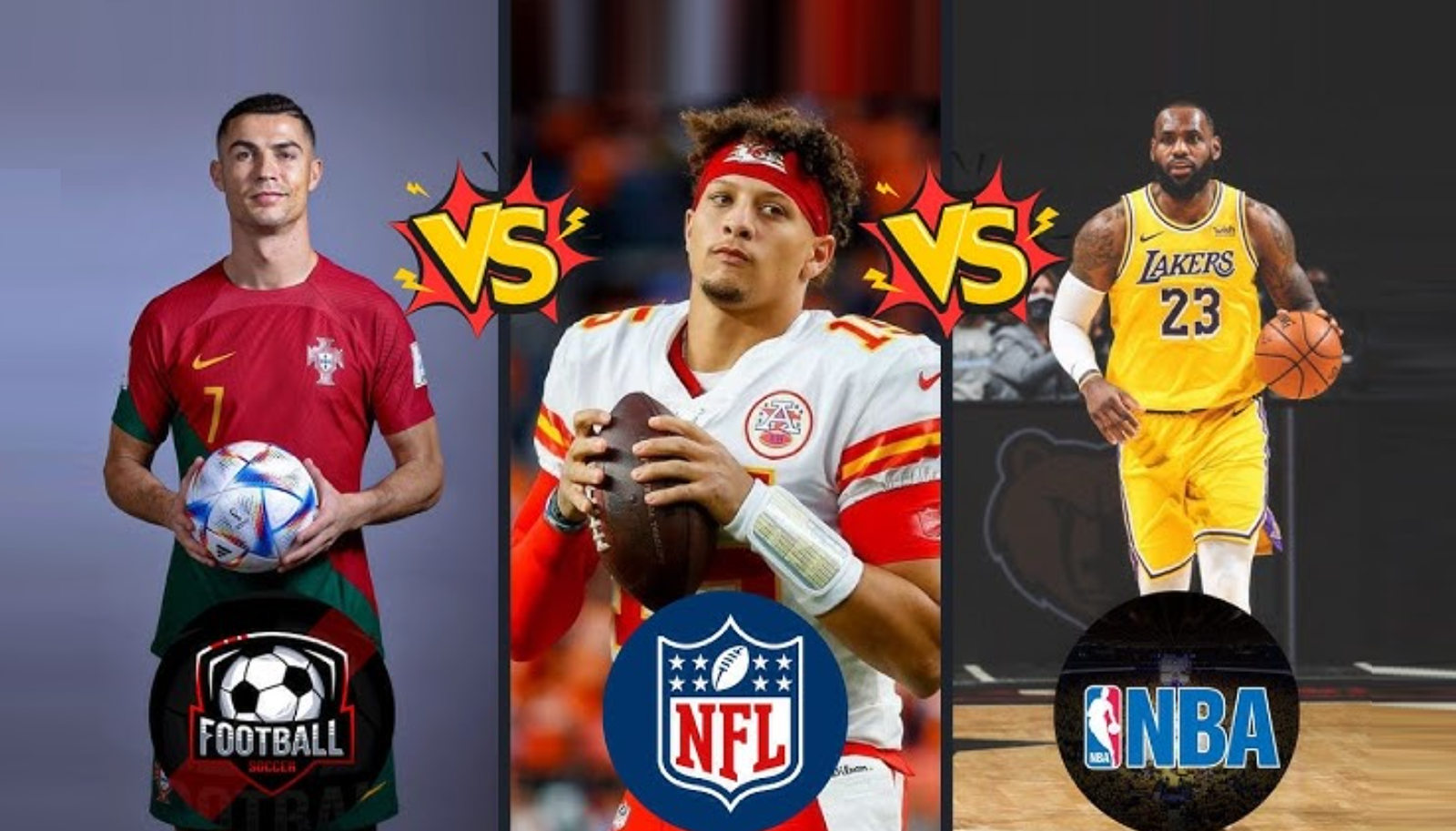
Athlete wealth has become a genuine spectator sport of its own, with fans following contract details and endorsement deals almost as closely as game results themselves. Yet net worth figures for even the most famous athletes vary considerably depending on which source is doing the counting, since most wealth sits in private companies, equity stakes, and real estate that require informed estimation rather than simple public disclosure. Fans wanting to follow these athletes’ careers alongside broader sports coverage can check Dbbet, where updates stay current across the sports these athletes dominate.
Understanding How Athlete Net Worth Estimates Actually Work
Before diving into individual figures, it’s worth understanding that lebron james net worth, along with every other athlete discussed here, represents an informed estimate rather than a verified bank statement, since private wealth simply isn’t publicly disclosed.
Publications like Forbes and Celebrity Net Worth arrive at these figures through different methodologies, accounting for contract guarantees, endorsement values, and business equity in ways that frequently produce meaningfully different final numbers for the same athlete.
This explains why readers researching any major athlete’s wealth often encounter figures ranging by hundreds of millions of dollars depending on the source, reflecting genuine methodological disagreement rather than simple reporting error or inconsistency.
LeBron James Net Worth: Basketball’s Billion-Dollar Question
Estimates of lebron james net worth span a genuinely wide range, from roughly $800 million according to more conservative calculations up toward $1.4 billion by other prominent publications, though most sources agree he has crossed billionaire territory.
His wealth foundation combines over $580 million in career NBA salary with a lifetime Nike deal reportedly worth more than $1 billion, alongside equity stakes in ventures including Fenway Sports Group, Blaze Pizza, and his own SpringHill media company.
What separates James from most athletes is timing, since he built substantial business wealth during his active playing career rather than waiting until retirement, a compounding advantage most professional athletes simply never replicate during their competitive years.
Cristiano Ronaldo Net Worth: Football’s First Billionaire
Cristiano Ronaldo net worth estimates consistently place him among the wealthiest athletes alive, with figures generally ranging between $1.2 billion and $1.4 billion depending on how various sources value his Al Nassr contract and business holdings.
His wealth accelerated dramatically following a Saudi Pro League contract extension reportedly worth several hundred million dollars, combined with a lifetime Nike partnership and a hospitality empire built through the CR7-branded hotel chain operating across multiple countries.
Social media monetization adds another significant revenue stream too, since Ronaldo’s position as the most-followed person on Instagram, alongside a rapidly growing YouTube channel, generates substantial income independent of his on-field football performance entirely.
Patrick Mahomes Net Worth: The NFL’s Rising Financial Power
Patrick mahomes net worth estimates vary more widely than most athletes discussed here, ranging anywhere from $90 million to $160 million depending on the source, reflecting genuine disagreement over how to value his massive but heavily deferred contract structure.
His foundational wealth stems from a landmark contract extension that restructured into one of the largest guaranteed payouts in NFL history, though headline contract value differs considerably from actual realized net worth after taxes and expenses.
Beyond his playing contract, Mahomes has built a genuinely diversified investment portfolio, holding minority ownership stakes across multiple professional sports franchises spanning baseball, soccer, and even Formula 1, positioning him for continued wealth growth well beyond his playing career.
Rory McIlroy Net Worth: Golf’s Business-Minded Champion
Rory mcilroy net worth estimates place the golfer’s fortune somewhere between $170 million and $200 million, reflecting substantial growth from tournament winnings, endorsement deals, and increasingly significant business investments accumulated across his professional career.
His long-standing equipment and apparel partnership has remained a consistent wealth driver for years, while recent major championship success, including finally capturing the career achievement that had eluded him for over a decade, boosted both his earnings and commercial value considerably.
McIlroy has also taken on notable corporate leadership positions beyond simple endorsement relationships, reflecting a broader trend among elite golfers toward genuine business involvement rather than purely transactional sponsorship arrangements with major brands.
Eliud Kipchoge: Marathon Greatness Without Team Sport Money
Eliud kipchoge, widely considered history’s greatest marathon runner, illustrates a stark financial reality within individual endurance sports, where his net worth sits dramatically lower than team sport superstars despite comparable athletic dominance within his discipline.
Marathon running simply doesn’t generate the television rights, merchandise sales, and stadium revenue that basketball, football, and similar team sports produce, meaning even legendary performers like Kipchoge earn primarily through race winnings and a comparatively modest sponsorship portfolio.
This disparity highlights broader structural inequities across professional sports, where athletic excellence alone doesn’t guarantee proportional financial reward, since market size and broadcast revenue potential ultimately shape earning ceilings far more than pure competitive achievement.
Why Team Sport Athletes Out-Earn Individual Sport Champions
Comparing these five athletes reveals a consistent pattern: team sport stars in basketball, football, and soccer command dramatically higher wealth than even the most dominant individual sport competitors, regardless of relative achievement within their respective disciplines.
Television broadcast deals explain much of this disparity, since leagues like the NBA and NFL negotiate media rights worth billions annually, creating revenue pools that individual sports like marathon running simply cannot match through comparable broadcast arrangements.
This structural reality means athletic greatness alone doesn’t determine financial outcome, since an athlete’s sport selection fundamentally shapes their earning ceiling regardless of how dominant they become within their particular competitive discipline.
Endorsement Deals as the Great Wealth Multiplier
Across every athlete profiled here, endorsement income and business equity consistently exceed pure competition earnings, demonstrating how modern athlete wealth increasingly depends on brand partnerships rather than salary or prize money alone.
Lifetime shoe and apparel deals, particularly those including equity participation rather than flat annual payments, have proven especially transformative, since these arrangements allow athletes to benefit directly from their sponsoring brand’s long-term growth trajectory.
This shift toward equity-based partnerships over simple cash endorsements reflects broader financial sophistication among modern athletes and their representation teams, recognizing that ownership stakes typically outperform fixed payments across sufficiently long time horizons.
Real Estate and Franchise Ownership as Wealth Diversification
Several athletes discussed here have moved beyond traditional endorsement models entirely, acquiring minority ownership stakes in professional sports franchises across different leagues, a diversification strategy that provides exposure to appreciating asset classes beyond their own playing careers.
This franchise ownership trend reflects growing athlete financial sophistication, recognizing that sports franchise valuations have appreciated dramatically in recent years, often outperforming more traditional investment vehicles available to high-net-worth individuals outside professional sports.
Real estate holdings similarly feature prominently across these athletes’ portfolios, providing both lifestyle utility and long-term asset appreciation that complements more volatile income streams tied directly to athletic performance and endorsement deal renewal cycles.
The Longevity Factor in Building Sustainable Athletic Wealth
Career length significantly influences ultimate wealth accumulation, since athletes like James and Ronaldo, both competing well into their late thirties and beyond, have enjoyed considerably longer windows to accumulate both playing income and business equity growth.
This longevity advantage compounds over time, since business investments made during earlier playing years benefit from additional years of appreciation before an athlete needs to access that capital, a dynamic that shorter-career athletes simply cannot replicate.
Athletes who retire earlier, whether due to injury or simply their sport’s typical competitive lifespan, face a considerably narrower window for building comparable wealth, even when their peak athletic earnings rival longer-career counterparts during active competition.
Final Thoughts on Athletic Wealth in Modern Sports
These five athletes collectively illustrate how modern sports wealth depends on far more than pure competitive achievement, incorporating sport selection, endorsement sophistication, business diversification, and career longevity into genuinely complex individual financial trajectories.
Whatever specific figures various publications ultimately settle on, the broader pattern remains consistent: today’s wealthiest athletes increasingly resemble sophisticated business executives who happen to compete professionally, rather than simply well-compensated performers cashing straightforward paychecks.
As sports business continues evolving, this trend toward athlete entrepreneurship and equity ownership will likely accelerate further, potentially producing even more dramatic wealth outcomes for future generations of athletes who successfully replicate these established financial strategies.
