

The most wasted of all days is one without laughter. It is nothing to die. It is frightful not to live. So we beat on, boats against the current, borne back ceaselessly into the past.
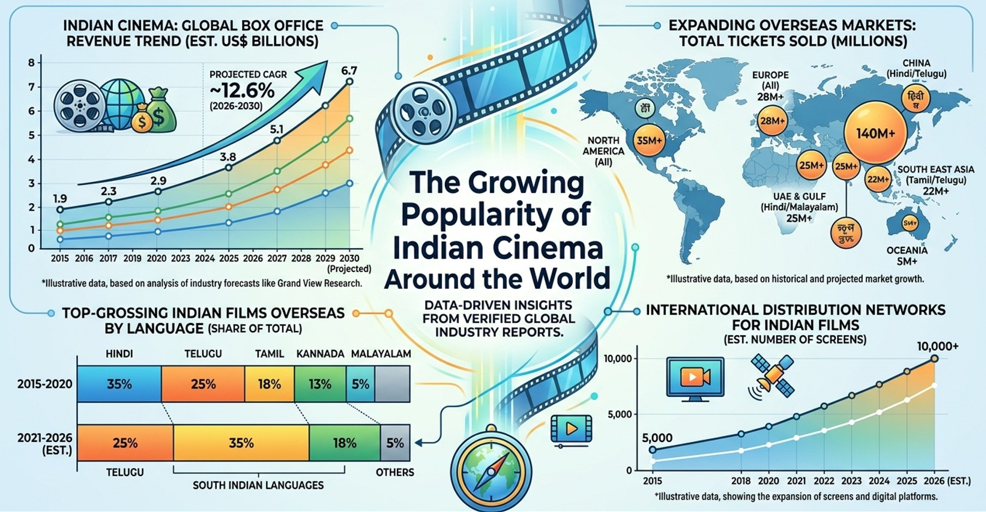
Indian cinema has become an important part of the global entertainment landscape. Over the years, films from different Indian languages have attracted audiences not only across the country but also in many international markets. Bollywood remains widely recognized, while Tamil, Telugu, Malayalam, Kannada, Punjabi, Bengali, and other regional film industries are gaining increasing attention.
The Rise of Diverse Storytelling
One of the biggest strengths of Indian cinema is its diversity. Indian filmmakers create movies across many genres, including action, comedy, romance, drama, thriller, historical stories, and science fiction. This variety allows audiences with different interests to discover films that suit their preferences.
Regional cinema has also played an important role in introducing new storytelling styles. Filmmakers are increasingly experimenting with realistic characters, original ideas, and culturally specific stories. As a result, audiences have more opportunities to explore perspectives from different parts of India.
The Influence of Bollywood
Bollywood continues to have a strong influence on popular culture. Hindi films often combine music, drama, comedy, romance, and action to create entertaining experiences for a broad audience. Popular actors and filmmakers have developed large international fan bases, helping Indian movies reach viewers outside the country.
Music is another important part of Bollywood’s appeal. Songs from Indian films frequently become popular independently of the movies themselves, creating additional interest in new releases.
Regional Cinema Reaching Global Audiences
The success of regional Indian films has changed the way international audiences view Indian cinema. Telugu, Tamil, Malayalam, and Kannada films have achieved significant recognition beyond their traditional markets.
Subtitles and dubbing have made these movies more accessible to viewers who do not understand the original language. This has helped audiences discover different filmmaking traditions and appreciate stories from various regions.
The Role of Streaming Platforms
Streaming services have also transformed the way audiences discover movies. Instead of relying only on cinemas or television, viewers can now find films from different regions through digital entertainment platforms.
This has created opportunities for smaller productions as well. A movie that might have had limited exposure in traditional distribution channels can potentially reach viewers in different countries through legitimate digital platforms.
At the same time, viewers should choose authorized sources when watching films. Supporting legitimate distribution helps filmmakers, actors, writers, technicians, and other professionals involved in creating movies.
Changing Audience Expectations
Modern audiences are becoming more selective about the content they watch. Viewers often look for strong storytelling, memorable characters, impressive visuals, and meaningful themes. Reviews, trailers, interviews, and discussions can also influence audience interest before a movie is released.
Social media has made these conversations even more immediate. A film can generate discussion among viewers within hours of its release, creating opportunities for both positive and critical feedback.
The Future of Indian Cinema
The future of Indian cinema looks promising as filmmakers continue to experiment with new ideas and technologies. Advances in visual effects, digital production, sound design, and cinematography are giving creators new ways to tell stories.
Greater collaboration between regional industries may also lead to more multilingual productions and broader audiences. As international viewers become increasingly interested in Indian stories, filmmakers have an opportunity to introduce fresh perspectives to the global entertainment market.
Conclusion
Indian cinema continues to evolve through diverse storytelling, regional creativity, technological innovation, and changing audience preferences. Bollywood remains an influential part of the industry, while regional films are gaining recognition around the world.
With responsible distribution and continued creative experimentation, Indian cinema can reach even wider audiences while preserving the cultural variety that makes it unique.
